Google SEO for eCommerce Stores: Ranking Faster in 2026
✅ Quick Answer
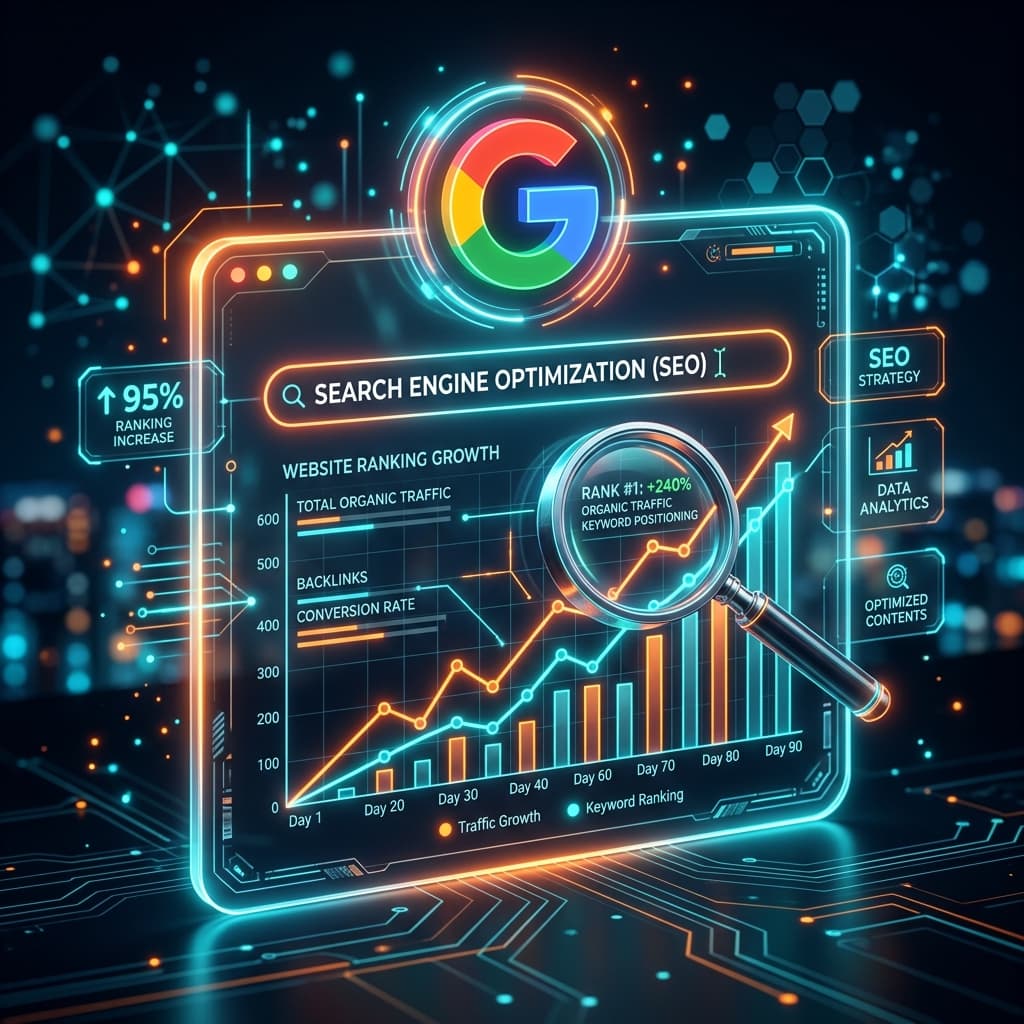
To rank an eCommerce store on Google in 2026: target high-intent transactional keywords, build topical content clusters, pass Core Web Vitals (fast, visually stable pages), and add Product and FAQ schema so Google can show rich results.
In 2026, eCommerce SEO has evolved. Search engines like Google rely heavily on semantic context, user experience metrics, and technical correctness. If your collection pages and product listings aren't optimized for these search behaviors, you are missing out on high-converting organic search traffic.
1. Semantic Keyword Strategy & Search Intent
Instead of targeting generic high-volume words, target high-intent transactional search queries (e.g., "organic cotton toddler swaddle wrap" instead of "baby swaddle"). Build content hubs around user queries to signal deep topical authority.
2. Optimizing Page Loading Speeds (Core Web Vitals)
Site speed is a direct Google ranking factor (Core Web Vitals). Reduce layout shifts (CLS), compile and minify JavaScript, and serve image formats like AVIF or WebP. A fast loading speed reduces bounce rates and drives immediate ranking improvements.
3. Structured Schema Markup (JSON-LD)
Include detailed Product Schema on all product listings. This helps Google display rich snippets with pricing, stock status, and star reviews directly on search result pages, drastically boosting click-through rates.
{
  "@context": "https://schema.org/",
  "@type": "Product",
  "name": "Sample Product Title",
  "image": "https://3s-soft.net/image.png",
  "description": "High-converting description copy.",
  "offers": {
    "@type": "Offer",
    "priceCurrency": "USD",
    "price": "49.99",
    "availability": "https://schema.org/InStock"
  }
}
Internal Linking & Topical Authority
Google rewards sites that demonstrate deep topical authority, and internal linking is how you build it. Group related content into clusters — a pillar page on a core topic, supported by detailed posts that link back to it and to each other. This passes relevance between pages and helps Google understand which page to rank for which query.
Pair strong internal linking with Core Web Vitals (web.dev/vitals) and Product schema, and you cover the three pillars of modern eCommerce SEO: relevance, experience, and technical correctness.
Priority SEO Checklist:
- Implement product sitemaps and schema configurations.
- Resize, compress, and add descriptive alt tags to product image media.
- Establish a content strategy that covers product usage questions.
Frequently Asked Questions
How do I rank my eCommerce store on Google in 2026?+
Target high-intent transactional keywords, build topical content hubs, pass Core Web Vitals (fast loading, low layout shift), and add Product and FAQ schema so Google can show rich results.
Is site speed a Google ranking factor?+
Yes — Core Web Vitals are a direct ranking signal. Reducing layout shift, compressing assets, and serving WebP/AVIF images improves both rankings and conversions.
What schema should an eCommerce store use?+
Product schema (with price, availability, and reviews) on product pages, plus BreadcrumbList and FAQ schema where relevant, to earn rich snippets that lift click-through rate.

Jashedul Islam Shaun
Founder & CEO of 3S-SOFT with 8+ years in eCommerce operations, marketplace listing optimization, and full-stack development. He leads a global team helping Amazon, Shopify, and marketplace sellers grow. More about the team.